Palisade Is Now ISO/IEC 27001:2022 Certified
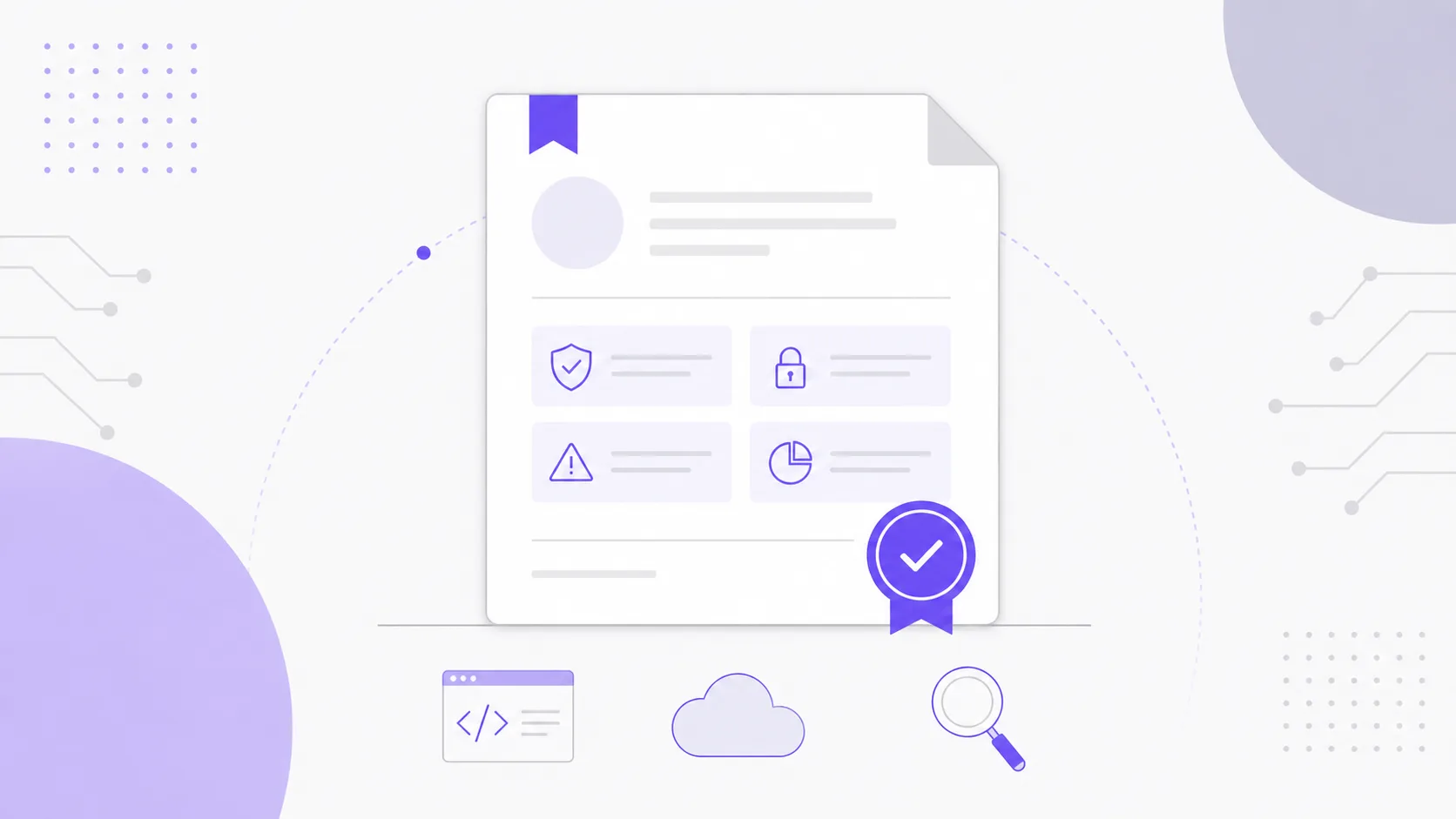
Palisade is now ISO/IEC 27001:2022 certified.
The independent audit covered the security programme behind every Palisade service, including penetration testing, technical consultancy and SaaS application services.
Customers trust Palisade with sensitive security work, so compliance and risk management were built into the company before certification became a sales requirement. ISO/IEC 27001 now gives customers independent evidence of that work.
We Chose To Do It Early
Security certification often becomes urgent when a large prospect sends a questionnaire or procurement asks for a certificate. By then, the deadline belongs to the deal rather than the team doing the work.
We planned Palisade’s security programme while the company’s systems and services were taking shape. Risk management was part of those early decisions, rather than a separate project waiting for an audit date.
Doing this while the company is young also gave us fewer old decisions to unwind. It is easier to decide where client files belong when there are a handful of systems in use, rather than finding copies spread across tools chosen over several years.
We Built The Programme Alongside Palisade
We did not spend the months before the audit inventing a security programme. We spent them showing how the existing one worked. The policies, reviews and risk records came from the way Palisade had been set up.
When we introduced a system or service, its security requirements were considered during setup. The owner, access model and evidence needed for later review were part of the same decision.
If we accepted an issue for later, the record included an owner and a review date. That date remained visible as the company and product changed.
The audit assessed that operating model and the evidence it had already produced. We were able to show how the programme worked across the services in scope, rather than describe a system that would begin after certification.
A Startup Still Has To Ship
There is an easy way to make compliance work unpopular: hand an early engineering team a large framework and treat every missing item as urgent.
Most startups do not need that. They need to know which gaps create real risk, which ones are blocking a customer, and which ones can wait for a sensible point in the roadmap. ISO itself describes the risk process as something that should fit the organisation’s size and needs.
This is how we approach early-stage compliance work at Palisade. We review the current setup and produce a checklist showing what is already in place, what evidence exists and where the answer is weak. We explain the risk and the effort behind each gap. The founders decide what gets implemented and when.
For example, a customer may ask for proof that access is reviewed. Setting up the review and keeping the first record can be done without pausing unrelated product work. A larger change to authentication or cloud architecture needs a different conversation because it competes directly with delivery capacity.
Our role can end with the review and guidance. Some teams ask us to help implement a few items. Others do the work themselves and bring us back before the customer response or certification audit. The checklist remains theirs.
For Singapore startups, this often begins before anyone is ready to pursue ISO/IEC 27001. A clear access review, a tested recovery step or a better supplier record can already improve an enterprise questionnaire. ISO also publishes a separate implementation guide for SMEs for companies working at that scale.
The Certificate Covers What We Sell
Palisade’s certified scope includes penetration testing, technical consultancy and SaaS application services. The certificate applies to the services our customers buy, rather than a small administrative part of the company.
The same experience now informs our Security Consulting & Readiness work. We can run the initial audit, prepare the checklist and help a team judge what deserves attention before the next customer or certification milestone.
If a gap needs changes to cloud access or delivery workflows, our Cloud & DevOps Consulting team can work with the engineers responsible for it. If a buyer needs independent evidence about the product itself, penetration testing can provide that assessment and verify the fixes afterwards.
You do not have to hand us the whole programme. We can review the current state, explain the gaps and let you decide the sequence.
To discuss a focused security and compliance review for your startup, book a free consultation.