Open Source AI Pentesters Are Getting Uncomfortably Good
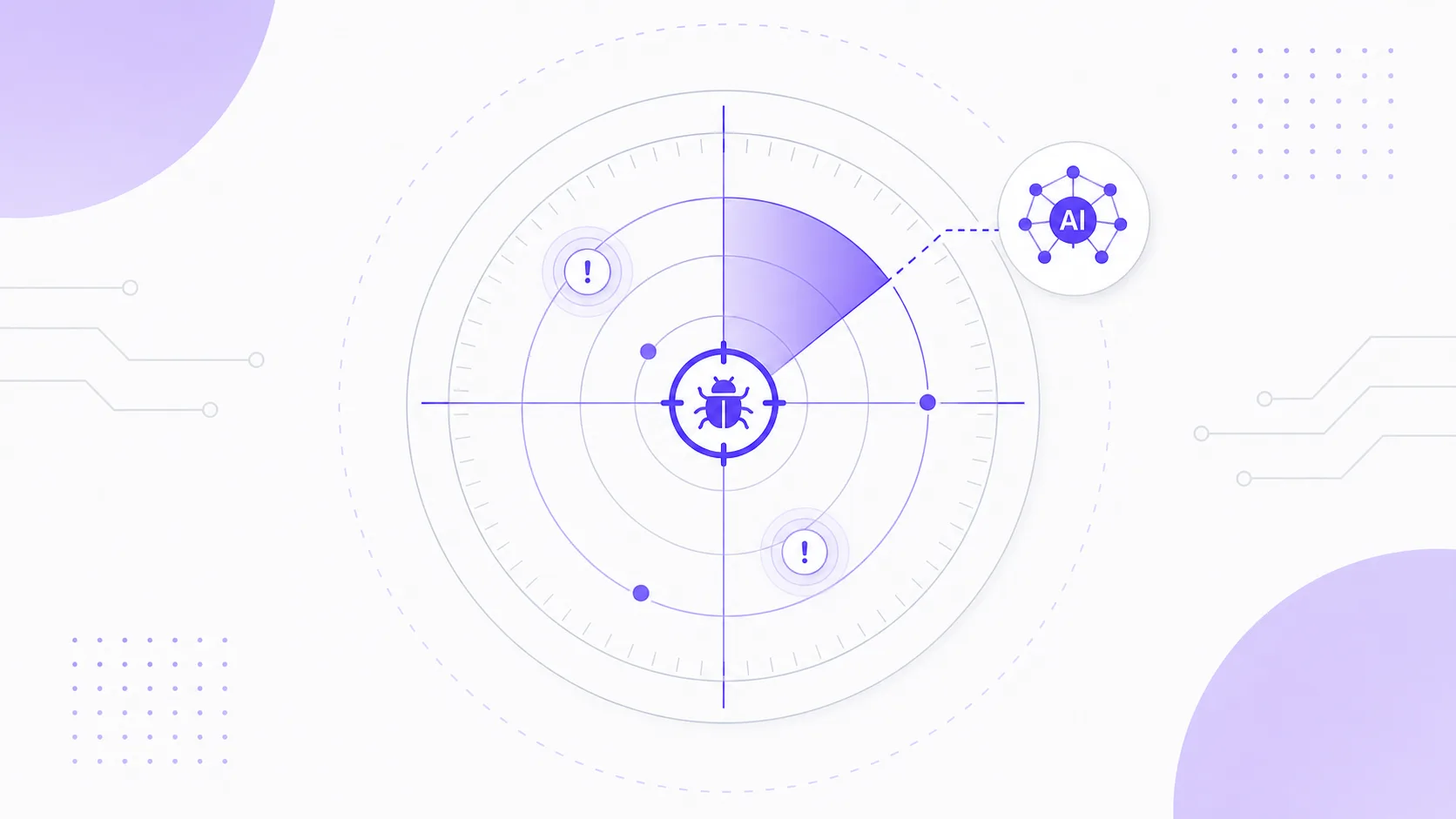
Penetration testing has always taken a mix of technical skill and instinct. Good testers don't just run tools. They think like attackers, chain vulnerabilities together, and sometimes act on a hunch before the data backs them up.
So where does AI fit into that picture?
The Craft Has Always Been About Thinking Like an Attacker
Skilled penetration testing is thorough by nature. A good team maps the attack surface carefully, probes for weaknesses with intent, and delivers findings that give organisations a clear and honest picture of where they stand. That depth of thinking is something no tool replaces on its own.
What has changed is the scale of the challenge. Environments are growing more complex, attack surfaces are expanding, and the pace of software development has accelerated dramatically. Development teams are shipping code continuously, sometimes daily, sometimes faster. The gap between annual penetration tests is where most real-world breaches actually happen. AI-assisted tooling is one serious attempt to close that gap, and the open-source community is moving fast.
Three Tools Worth Knowing About
Shannon (github.com/KeygraphHQ/shannon) is probably the most talked-about right now, and for good reason. Built by Keygraph, it operates as a fully autonomous penetration tester that identifies attack vectors and actively executes real-world exploits to validate them. It is not a scanner in the traditional sense.
Shannon ingests source code and maps data flows, then deploys parallel agents to target OWASP-critical vulnerabilities including SQL injection, cross-site scripting, server-side request forgery, and broken authentication mechanisms. It handles modern authentication flows including multi-factor authentication, which typically trips up simpler tools. Crucially, it only reports what it can actually exploit. If Shannon flags something, there is a working proof of concept attached.
A typical full scan runs for around an hour and a half and costs approximately $50 to $60 in API credits. Shannon comes in two editions: a free Lite version under AGPL-3.0 and a Pro version with additional enterprise features including CI/CD pipeline integration and compliance reporting for frameworks like SOC 2 and PCI-DSS.
Strix (github.com/usestrix/strix) takes a slightly different approach. Where Shannon is focused on white-box testing of web applications with source code access, Strix deploys teams of AI agents that collaborate like a real red team. It supports black-box testing against live URLs, grey-box authenticated testing, and direct source code analysis, making it more flexible in terms of what you can point it at. It comes with a full security toolkit including an HTTP proxy, browser automation, terminal environments, and a Python runtime for custom exploit development. It integrates natively into CI/CD pipelines and can block insecure pull requests before they reach production. With over 20,000 GitHub stars and active development, it has gained serious traction quickly.
PentAGI (github.com/vxcontrol/pentagi) is the most ambitious of the three architecturally. It is a fully autonomous multi-agent system designed for complex penetration testing tasks, built around a microservices architecture with a web UI, REST and GraphQL APIs, and a built-in suite of over 20 professional security tools including nmap, metasploit, and sqlmap. What makes PentAGI stand out is its memory system. It maintains long-term storage of research results, a knowledge graph built on Neo4j for tracking semantic relationships between findings, and episodic memory that lets it learn from past engagements and apply those patterns to new ones. It is a self-hosted platform, meaning your source code and testing data never leave your infrastructure, which matters considerably for organisations in regulated industries.
Better Tools Still Need the Right Hands
The progress across all three of these projects is real, and it is accelerating. But there is an important distinction between surfacing a vulnerability and understanding what it actually means.
These tools are not ready to replace a human pentester, but the speed and coverage they provide for the price of a few API tokens is getting harder to ignore. Shannon, by its own design, will miss business logic flaws or unusual configuration issues that fall outside its scope. Strix and PentAGI cast a wider net, but the same principle holds: automated tools work within the parameters they were built for.
Understanding how a finding fits into a specific environment, architecture, risk profile, and regulatory context is a different skill entirely. A medium-rated vulnerability in one organisation can be critical in another depending on how systems are connected, what data flows through them, and what exploitation actually looks like in practice. That contextual judgment is not something any tool currently provides, and it is where experienced specialists make the difference.
There is also the question of what comes after. Findings need to be prioritised intelligently, remediation needs to be realistic, and for regulated industries the output needs to be defensible. These tools produce excellent signal. Turning that signal into a security programme that actually holds up requires people who have done this work before.
AI as a Force Multiplier
The most sensible way to think about Shannon, Strix, PentAGI, and tools like them is as something that extends what skilled teams can already do. Faster reconnaissance, continuous coverage between formal engagements, and validated findings that arrive with proof rather than possibility.
The teams getting the most out of these tools already know what good security testing looks like. They use AI to go further and faster, not to substitute for the judgment that makes findings actionable. As this space matures, that combination of advanced tooling and genuine specialist expertise is going to define the gap between organisations that are genuinely secure and those that are just generating reports.
That combination of tooling and judgement is what we bring to penetration testing and vulnerability assessments: current techniques, validated findings, and remediation guidance your team can act on. To discuss scope, book a free consultation.